
Buying an Electric Car: What do I need to know?

Owning an electric car is a bit different compared tol the standard fuel-powered vehicle. There are some things you need to consider like charging, driving range, and the like. To guide you through your electric vehicle (EV) purchase, here’s what you need to know before buying your first electric car:
Charging is different than refueling
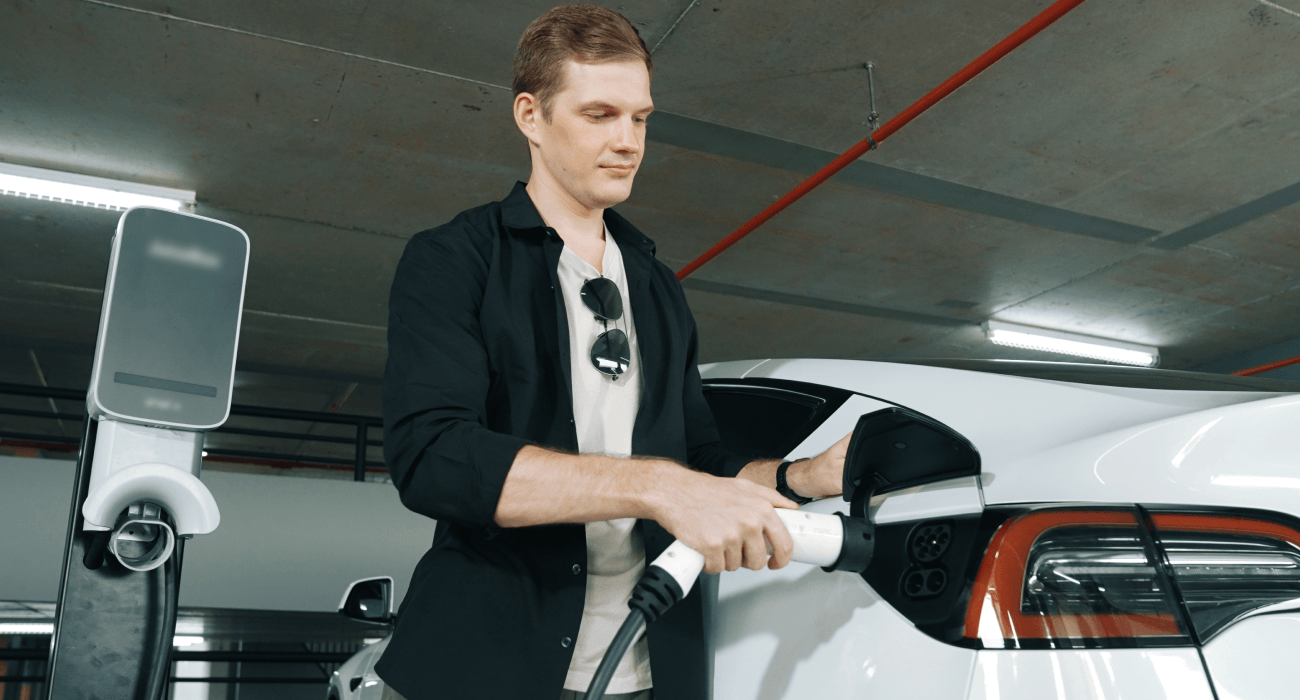
Charging an electric car is a little different than simply taking it to the petrol station and filling it up. You can’t just plug your electric car to charge anywhere. Many first-time electric car buyers don’t know that there are different power points, ports, and charging cables that affect how quickly your car can recharge.
In Australia, there are three types of EV chargers which are:
- Level 1 (AC) - This is the slowest form of charging with around 1.4kW to 2.8kW of charging capability. You can plug your car into a regular three-pin socket or General Power Outlet to let it charge. This is ideal for overnight charging of EVs with smaller battery sizes or plug-in electric vehicles (PHEV).
- Level 2 (AC) - This is a dedicated EV charging unit with charging outputs of between 7kW and up to 22kW. Unlike Level 1, the Level 2 charging units are much faster and require a separate installation. They may also have their own tethered cable and plug not already provided by the EV manufacturer upon purchase.
- Level 3 (DC) - This is the fastest way to charge your electric car and is commonly found in public EV charging ports. The charging power output of a Level 3 port is around 25kW to 350kW. It can charge up to 80% in half an hour or less depending on the vehicle.
Electric vehicle owners can also install solar-powered charging systems at home to save on energy costs and make charging more convenient. Before buying an EV, it’s best to do some research on what type of charging ports and cables you would need.
Trip planning takes a bit of effort
Trip planning may be a bit more complicated in the beginning for many first-time electric car drivers. If you’re used to driving a fuel-powered vehicle, you’re used to having a petrol station right around every corner. Unfortunately, that’s not the case with electric car charging stations.
Even though there are more public charging stations available Australia, they’re still not as common as petrol stations so it’s best to do your research if you’re setting out to a new destination. The good news is this trip planning with an EV isn’t as complicated as it sounds. There are apps built into your EV that can pair with your phone, so you know about your electric car’s power levels, range, and nearby charging locations.
Types of electric vehicles
There’s not a one-size fits all EV that can meet everyone’s needs. You still need to do your research and test drive the electric car before making a choice. Electric vehicles come in different types which are:
- Hybrid Electric Vehicle (HEV) - Similar to fuel-powered vehicles with an electric component charged through regenerative breaking. HEVs still need to be refuelled at petrol station, but don’t need to be charged.
- Plug-in Hybrid Electric Vehicle (PHEV) - Combines a combustion engine and a battery pack. Drivers can drive using only the engine, the battery pack, or a mix of both. This means PHEV can be topped up at petrol stations and powered up at charging stations.
- Battery Electric Vehicle (BEV) - Has no engine at all and is powered purely by the battery pack. Must be recharged through public charging stations or at-home charging ports.
Since the introduction of electric cars in the Australian, the EV options for car buyers have significantly improved. Electric cars aren’t just Teslas, you’ll find BYD, Toyota, Honda, and other vehicle manufacturers have their own EV option.
There are now great EVs built for longer range which means you don’t have to worry about running out of charge in the middle of your journey. There are also plenty of great EVs made for city driving.
Potential tax incentives
According to the ATO, eligible electric car owners may be exempt from paying fringe benefits tax (FBT) on their car and associated car expenses. To be eligible for this tax benefit, the ATO requires the following:
- A zero or low emissions vehicle.
- The car has been held and used for the first time is on or after 1 July 2022.
- The car is used by a current employee or their associates.
- No luxury car tax has been payable on the importation or sale of the car.
Visit the electric cars exemption information on the ATO website to check whether you may qualify for this exemption.
Looking for a competitive rate car loan?
If you’re ready to buy an electric car, get in touch with the friendly lending specialists at loans.com.au and learn more about your car loan options. There may be a learning curve to owning and driving an electric car, but finding finance for it is pretty much the same as any other vehicle. Check out our range of car loan offers or start your online application today!
Find out in under 2 minutes if you qualify for one of our car loans.

About the article
As Australia's leading online lender, loans.com.au has been helping people into their dream homes and cars for more than 10 years. Our content is written and reviewed by experienced financial experts. The information we provide is general in nature and does not take into account your personal objectives or needs. If you'd like to chat to one of our lending specialists about a home or car loan, contact us on Live Chat or by calling 13 10 90.