
Scams that Target Business Owners

If you’re a business owner, keeping up with the latest security measures is a must to safeguard your information and protect profits. To better protect your business from scams, it’s best to be aware of common business fraud examples and how to avoid them.
Phishing scams
Phishing scams occur when fraudsters impersonate a government agency or another business (e.g., a supplier or vendor) to trick you or an employee into providing sensitive financial information, such as bank account numbers or PINs. Phishing attempts can happen over the phone, through texts or instant messages, or via email.
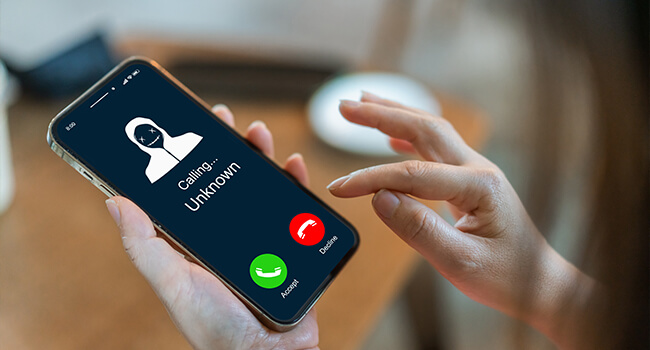
If you or someone in your business receives a call from an unknown number, it’s best to stay cautious. Government agencies and businesses are unlikely to cold-call you or your employees demanding information, especially if your company has never had any interactions with that organisation before. Likewise, they won’t send an SMS or email with links attached asking for your information or to download any software.
Business email compromise (BEC) scams
This type of scam occurs when someone in your organisation has their business email compromised. A hacker could take over an individual’s account or set up a separate account that mimics someone else’s legitimate one.
Using the compromised business email account, the scammer will message the business owners, employees, or partners asking for money or to send sensitive information. These scams will usually include fake invoices or urgent change payment requests from a manager or senior executive.
Another tactic is the payroll scam. This is a type of business email compromise scam that usually targets employees in finance, payroll, and HR departments. Scammers will pretend to be staff from the mentioned departments and ask others in the company to redirect money from the business to the scammer.
To avoid falling victim to scams like this one, always keep an eye out for unusual formatting in the email text or misspellings in the sender’s email address. If the tone of the email is pushy and unusually urgent, it’s best to double-check with the person directly.
Overpayment scams
This involves scammers pretending to be actual buyers. They’ll go through the process of speaking with a sales representative, ask for a quote or put in an order. Scammers will then say they’ve sent more than the agreed-upon price.
Usually, the ‘payment’ will be sent via cheque or credit card. Businesses sometimes send the refund directly to wherever the scammer tells them to, without checking if the initial payment went through in the first place.
Before making any refunds, always check if the payment has been received and make sure it’s confirmed through your bank.
Directory listing/advertising scam
A scammer will send a business an invoice for an advert in a magazine, trade journal, or internet directory. These magazines, trade journals, or internet directories are often fake or do exist but aren’t legitimate. Another way an advertising scam shakes out is when scammers call to offer free publicity, only to charge the business later. Often, the scammer will be pushy in their correspondence to pressure you into making a payment.
It’s highly unlikely that any legitimate magazine, trade journal, or online directory will put up an advertisement for your business unprompted. If you do receive these messages, it’s best to block the sender and report them to the relevant authorities.
Tips to protect your business from scams
Here are a few ways you can protect your business from fraudsters:
Educate your staff
Make sure you and your staff know the red flags to watch out for so they don’t fall victim to scams. It could be a good idea to create a cyber incident response plan so everyone in your company knows how to deal with suspicious emails, text messages, and phone calls.
Keep software up to date
Having updated software and security systems can better protect your systems from cyberattacks.
Use multi-factor authentication
This adds an extra layer of security, especially for business accounts that are part of a larger network.
If you think a scammer is targeting your business, report them to Scamwatch. When in doubt, always remember to: Stop, check, and verify. For more information on how to protect yourself and others, visit the Scamwatch website or check out our security hub.
About the article
As Australia's leading online lender, loans.com.au has been helping people into their dream homes and cars for more than 10 years. Our content is written and reviewed by experienced financial experts. The information we provide is general in nature and does not take into account your personal objectives or needs. If you'd like to chat to one of our lending specialists about a home or car loan, contact us on Live Chat or by calling 13 10 90.