
Residential vs Commercial Property Investment

Property investment can be residential or commercial. Residential property investments are more common because of familiarity and ease of financing. Commercial properties, on the other hand, may offer higher rental yields but are often the riskier investment between the two.
There is no one right way to invest in property. It depends on your current financial situation and investment goals. In this article, we explore the difference between residential and commercial property investments to help you decide which one suits you best.
Residential property investment
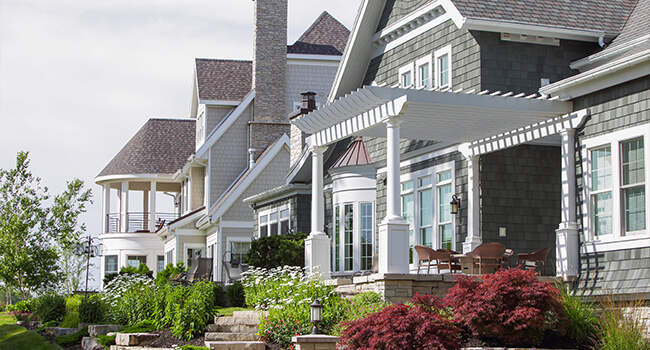
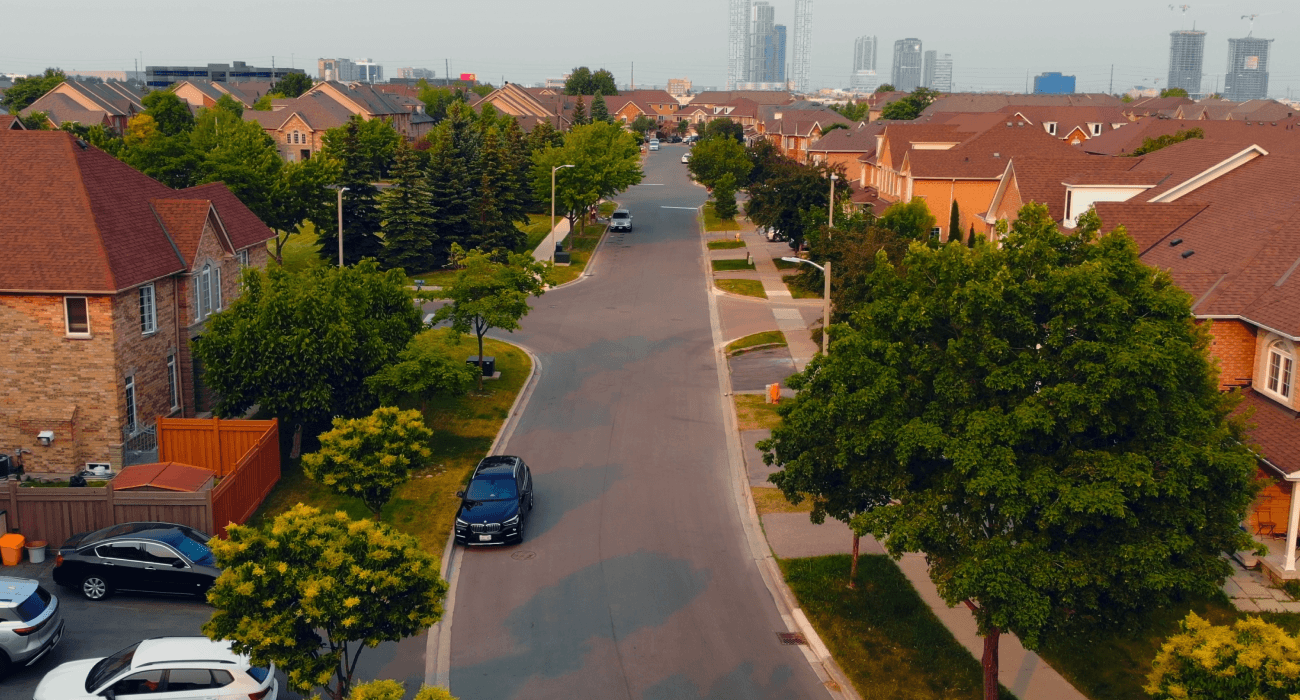
Residential property investments include free-standing houses, apartment units, townhouses, and granny flats. Leases for residential properties usually run for 6 to 12 months. Short-term leases are more common in apartment units and granny flats, while houses often have long-term leases.
Because of familiarity with loans and the buying process, some investors are more comfortable with a residential property investment. Residential properties are also typically less expensive than a commercial property.
Pros of a residential property investment
- Lower upfront cost. Residential properties are usually priced lower than a commercial property, making them a more affordable option.
- Lower risk of vacancy. Housing demand is generally steadier compared to demand for commercial property. It may be easier to find tenants, whether it be short- or long-term. This still depends on the type of property and location.
- Easier scalability. Because of lower entry costs, it may be easier for investors to expand their property investment portfolio as time goes on
Cons of a residential property investment
- Maintenance and management costs. With residential properties, the landlord is responsible for the upkeep and maintenance of the property, as well as insurance and local council rates.
- Lower rental yield. Residential properties typically earn less rent compared to commercial properties.
- Higher tenant turnover. Though demand for housing is high, this doesn’t always mean keeping the same tenants long-term. Some tenants may choose to move residences, which means re-tenanting costs for investors.
Commercial property investment
Commercial properties include office buildings, retail spaces, industrial sites, hospitality venues, and social infrastructure. Investing in commercial property may give investors higher rental yield potential with longer lease terms. However, this property investment option may be more complicated compared to a residential property investment due to additional legal and commercial implications, as well as stricter loan requirements.
Commercial properties also remain largely unaffected by the recent tax rule changes. Investors may continue to access negative gearing benefits, and SMSF borrowing for commercial properties is still allowed.
Pros of a commercial property investment
- Higher rental yield. Rental yields for commercial properties are typically higher at 5% to 8%, depending on the location, type of property, and sector it operates in.
- Longer lease terms and lower maintenance costs. Since commercial properties are rented out to businesses, lease terms can be anywhere from 3 years to 10 years and above. Because the lease terms are so long, the tenant is often responsible for the upkeep, maintenance, and insurance of the property.
- Negative gearing and SMSF borrowing. According to the Federal Budget 2026-7, investors of commercial properties may still benefit from negative gearing and utilise SMSF borrowing even after the 2026 tax changes are implemented.
Cons of a commercial property investment
- Higher entry costs. Commercial properties are generally more expensive than residential properties. Acquiring a commercial or industrial property requires specialised knowledge, which could mean hiring professionals to guide you through the process.
- Possibly longer vacancy periods. Tenancy for commercial properties relies on market trends depending on the sector, business confidence at the time, and other economic factors.
- Slower capital growth. Commercial properties can have more unpredictable capital growth projections based on market conditions.
Residential vs Commercial Property Investment
Here’s a quick side-by-side comparison of residential and commercial property investment
| Feature | Residential Investment | Commercial Investment |
|---|---|---|
| Upfront costs | Lower purchase price compared to commercial properties. | Higher purchase price compared to residential properties. |
| Maintenance | Property investors are responsible for the maintenance and upkeep of the property. | Depends on the lease agreement. Tenants may be responsible for some or all maintenance and upkeep, including outdoor areas. |
| Rental yield | 2% to 4% (depending on property type and location). | 5% to 8% (depending on property type and location). |
| Vacancy periods | Shorter vacancy periods due to housing demand. | Longer vacancy periods. |
| Capital growth | Historically steadier capital growth over time, typically around 6% to 8% annually depending on location and market conditions. | More volatile capital growth, typically around 3% to 6% depending on economic trends and business demand. |
| Lease term | Typically 6 to 18 months. | Typically 3 to 10 years. |
| Loan options | Usually available up to 80% or 90% LVR, often with lower interest rates and longer loan terms. | Usually available up to 80% LVR, often with higher interest rates and shorter loan terms. |
| SMSF borrowing | Changes to LRBA provisions have prohibited SMSFs from borrowing to buy residential property. | SMSFs may borrow to buy commercial property that meets business real property and LRBA requirements. |
| Negative gearing | Limited to new residential builds under the 2026 tax reforms. | Unaffected by the 2026 tax reforms. |
Looking for an investment property loan?
At loans.com.au, we offer residential investment property loans and SMSF commercial loans. Get in touch with our friendly lending specialists to know more about your investment loan options. Call 13 10 90 or apply online today!
Find out in under 2 minutes if you qualify for one of our home loans.

About the article
As Australia's leading online lender, loans.com.au has been helping people into their dream homes and cars for more than 10 years. Our content is written and reviewed by experienced financial experts. The information we provide is general in nature and does not take into account your personal objectives or needs. If you'd like to chat to one of our lending specialists about a home or car loan, contact us on Live Chat or by calling 13 10 90.