
Holiday Scams to Watch Out For

A lot of Aussies use the summer holidays to sit back, relax, and take a well-deserved break after a busy year. Unfortunately, fraudsters don’t have off days and, in fact, take advantage of the holiday spirit to swindle people out of their hard-earned money.
Don’t let scammers rejoice this holiday season! Be aware of the telltale signs of holiday scams and how to avoid them.
Online shopping scams
Online shopping activity is at an all-time high during the Christmas season. Everyone is busy shopping for gifts, and online stores make it that much easier for scammers to fly under the radar. It’s best to practice caution when it comes to online holiday shopping.
During the holiday shopping rush, many fraudsters create fake websites that closely resemble the real ones. You may also see ads on social media that lead to these fake online stores. It’s easy to think you’re shopping at an authentic retailer’s online shop only for it to be a dupe. If you do purchase from these fake online stores, your credit or debit card information may be used for fraudulent transactions.
To avoid this, always check the URL and make sure it matches the official website. Only click links from official sources like the store’s verified social media to ensure you’re not redirected to fake online stores.
Parcel delivery scams
The holidays are called the gift giving season for a reason, with millions of packages sent and received during this time of year. A lot of scammers use this as an opportunity to employ parcel delivery scams.
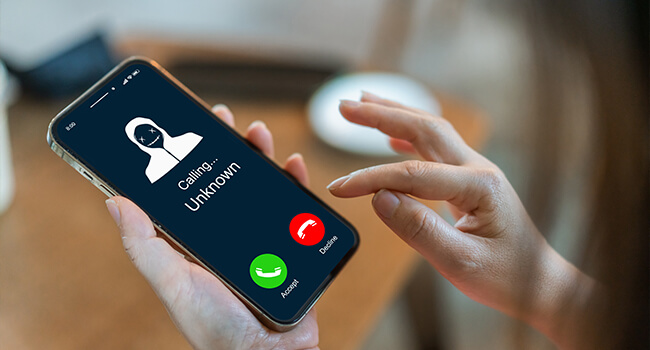
The way it works is this: you’ll receive a text or email from a well-known delivery service saying your package cannot be delivered and requesting you to click on a link. This link directs you to a website that requests your personal details so they can re-deliver the package. Other times, someone will call you claiming to be from a well-known delivery service and ask you for sensitive information. They’ll then use the information you provided for fraudulent activity.
If you receive a message or call like this, always practice caution and see if the sender or caller is legitimate. Don’t click links in text messages or emails. It’s also not advisable to reveal any personal or financial information to anyone over the phone, especially if they’ve cold-called you. Always check the delivery company’s details yourself and only track your package through the official channels.
Holiday travel scams
During the holidays, you may see an abundance of travel deals that sound too good to be true—and they often are. Scammers use the increased interest in travel to create fake accommodation and flight deals. You’ll usually see these scam deals on booking platforms like Booking.com, Airbnb, and the like.
The best way to avoid fake hotel and flight deals is by booking directly with the hotel or airline. Always confirm the legitimacy of the website before making any transactions. If you’re booking through a travel agency, ensure it’s registered by checking its ABN on the Australia Business Register’s ABN Lookup Portal.
Charity scams
A lot of fraudsters use people’s generosity during this time for their own gain. The usual tactic includes calling people pretending to be a representative of a well-known charity, asking for donations. You may also receive emails or text messages asking for money. Always be wary of these types of correspondence as cybercriminals often use them to get your credit card or bank details.
If you plan on donating to a charity or foundation, it’s best to do it directly. Call the organisation yourself or look at their official website to see ways you can donate to the cause. You can also confirm the legitimacy of a charity by looking it up on the Australian Charities and Not-for-profits Commission Charity Register.
What should you do if you think you’ve been scammed?
If you suspect you’re a victim of fraud, call your bank and lock your accounts immediately. Stop communication with the scammer and file a report with the Australian Cyber Security Centre and other relevant authorities. You could also seek support from IDCARE, an organisation that helps victims of identity crime.
For more on how to avoid online scams, check out our security hub for the latest tips and information.
About the article
As Australia's leading online lender, loans.com.au has been helping people into their dream homes and cars for more than 10 years. Our content is written and reviewed by experienced financial experts. The information we provide is general in nature and does not take into account your personal objectives or needs. If you'd like to chat to one of our lending specialists about a home or car loan, contact us on Live Chat or by calling 13 10 90.