
Beware of these AI scams

Scammers have taken full advantage of artificial intelligence or AI tools to commit more sophisticated fraud. With the use of AI, criminals can replicate people’s voices (AI voice cloning), their likeness (AI deepfakes), or send out personalised phishing messages at a mass scale.
How do you protect yourself from AI scams when they’ve become harder to detect? To avoid being a victim of AI scams, you need to understand what they are and how they work.
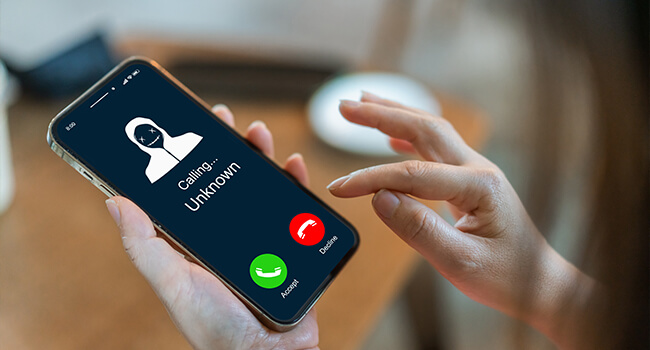
AI voice cloning (vishing)
A few seconds of audio could be enough to clone someone’s voice. Scammers trick their victims by using AI voice cloning technology to assume the identity of the victim’s friends, family, or coworkers. The scammer will say that they are in danger or in distress to try and get the victim to send money.
How to protect yourself: Practice caution when receiving a call from an unrecognised number claiming to be a friend, family member, or someone close to you, especially when they’re asking for money.
It’s best to hang up and contact the person you think is on the line directly from a known number. Always verify who is calling you to ensure that the person on the other end is who they say they are.
Deepfake videos
These refer to online videos where an AI-generated model impersonates a celebrity, politician, or other famous person to promote a product or investment scheme. The latest advancements in AI technology have made these videos true to life without any warping or uncanny valley artefacts, making them harder to detect. In some cases, deepfake videos can be used during live video calls.
How to protect yourself: Be wary of online advertisements promoting a product or investment scheme. Always do your research before doing anything. Consult with a financial advisor or expert before making any big purchases or investments.
LLM-powered phishing
Using large language models like ChatGPT, Claude, or Gemini, scammers can send personalised emails that include specific details like your name, recent transactions, work details, and can even use a familiar conversation style to make victims think the message comes from legitimate sources. The lack of apparent signs of a scam makes this type of AI scam so difficult to detect.
How to protect yourself: Be wary of any email that tells you to click a link or download an attachment, especially if it’s a cold email or from an email address that you don’t recognise. If the email sender is pretending to be a friend or family member, contact that person directly and ask if they’ve sent you an email. It’s always better to be safe than sorry.
AI-powered business email compromise
This AI scam is similar to LLM-powered phishing; however, it uses other AI tools like voice cloning and deepfake videos to convince businesses of their legitimacy. The goal of these emails is to get important information from businesses and enterprises. Once the scammers have that, they can use it to hack their systems or steal money.
How to protect yourself: Have multi-factor authentication (MFA) enabled on all accounts across the organisation. Make sure IT has updated the devices of all employees to the latest software version and install an anti-virus. For added protection, employees and executives must all know safe online practices.
Think you’ve been scammed? Report it immediately
Report the scam to ScamWatch. If you’ve been scammed through email or social media, report it to the platform and change your passwords. Report scammers who are impersonating a person, business, or organisation to the state or territory fair trading organisation. For scams that involve losing money or compromised personal information, report it to ReportCyber and seek assistance by visiting IDCARE.
About the article
As Australia's leading online lender, loans.com.au has been helping people into their dream homes and cars for more than 10 years. Our content is written and reviewed by experienced financial experts. The information we provide is general in nature and does not take into account your personal objectives or needs. If you'd like to chat to one of our lending specialists about a home or car loan, contact us on Live Chat or by calling 13 10 90.