
How to Stay Safe from Scams & Fraud

Thousands of Australians fall victim to online scams and fraud every year. In the first half of 2025 alone, the National Anti-Scam Centre’s Scamwatch service revealed that 108,000 scams were reported, with financial losses amounting to about $174 million.
Anyone can be a victim of a scam or fraud, which makes it even more worrisome. But there are ways to protect yourself—first, you need to know what you’re dealing with. In this guide, we give you a rundown on what scams and fraud are and how best to avoid them.
What is a scam?
A scam is when a victim is tricked into giving their money or information to a scammer. The scammer will often pretend to be someone from a bank, a trusted company, or the authorities and ask victims for sensitive financial information or ask the victim to transfer money to another account.
Scams can be in the form of an email, text message, phone call, or other forms of communication. For scams to work, the victim must participate in the scheme and provide the money or information themselves.
Typically, you can spot a scam before any information or money gets taken out. However, if you do fall victim to a scam, it may be more difficult to get your money back because of the circumstances.
How to avoid common scams
Scammers often use similar schemes, hoping to catch their victims unawares. To protect yourself, it’s best to know the most common tactics scammers use:
Phishing scams
This is the most common scam tactic and one of the most straightforward. Phishing scams involve unauthorised third parties assuming the identity of a bank, lender, utility service, or business to trick you into giving them sensitive financial information or sending them money.
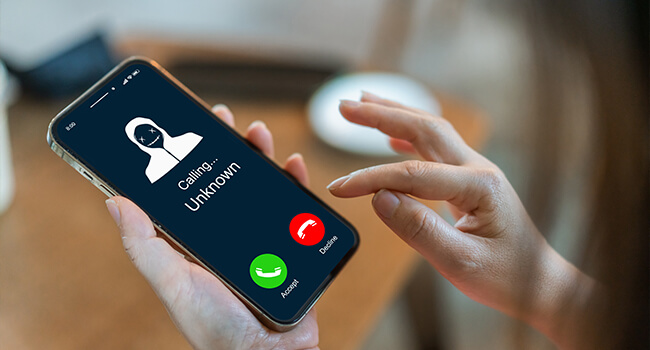
A phishing attempt, for example, is when you get a call from an unknown number claiming to be from your bank and asking you to send your OTP to them for verification. Banks will never ask for your OTP and won’t call you unprompted.
If you receive a call, email, or text message from an unknown number claiming to be someone from a business or service, it’s best to end the call and confirm through official channels like the organisation’s customer support service.
Relationship scams
When scammers develop a friendship or romantic relationship with their victim, pretending to be someone else, this is typically categorised as a relationship scam. The goal of this scam is to earn the trust of the victim so the scammers can manipulate them into sending money.
Usually, scammers will pretend to be in dire need due to personal constraints or ask for money so they can finally meet the victim in person. Once they receive the money, they are never to be seen again.
To avoid falling victim to such a scam, it’s best to practice caution when speaking with strangers online. Not everyone is who they claim to be, regardless of how believable their online profile is.
Investment scams
Australians lose money on investment scams more than on any other type of scam. Investment scams are those that claim they can offer great returns for what seems to be very little input. Scammers typically adopt the name of reputable investment companies and use convincing marketing to back it up.
If someone is urging you to invest or using pressure tactics to urge you to act quickly, it’s likely a sign that they’re not really from a reputable investment or finance company.
To avoid falling for investment scams, always do your due diligence before sending money anywhere. Make sure the person you’re in contact with is who they say they are and that the investment opportunity exists. The general rule, though, is that if it’s too good to be true, it probably is.
What is fraud?
Fraud often happens without the victim knowing or any willing involvement on their part. Unlike with a scam, where criminals have to be in contact with you, fraudsters can steal your identity or funds without your presence or consent. This makes it difficult to spot because you won’t know you’re a victim of fraud until it’s too late.
You may fall victim to fraud if your sensitive information is leaked through a hack or a data breach. When fraudsters get hold of your information, they could take out loans on your behalf or make unauthorised changes to your current accounts.
If you think you’re a victim of fraud, you need to report it to your bank immediately. Report scams to Scamwatch or to the ACSC for victims of cybercrimes. You should also contact your local authorities. Depending on the situation, you may be able to recover funds by coordinating with your bank or financial institution.
How to protect yourself from common fraud schemes
You need to protect your information and make sure all your accounts are secure. Here are the most common fraud schemes and how to keep yourself safe from them:
Identity theft
Identity theft happens when fraudsters get enough sensitive information about you. This includes your full name, address, tax file number, Centrelink Customer Reference Number, and the like. If they get their hands on one of your official government IDs, they could also use this to open accounts or loans under your name.
To avoid this, you need to make sure to protect personal information. Shred documents that may contain sensitive information, limit social media sharing, and be wary of phishing scams.
Account takeover
An account takeover is when a fraudster locks you out of your own accounts. This could be your social media accounts, banking accounts, or your online home loan account. Fraudsters can gain access to your account by using usernames and passwords they’ve stolen through a phishing scam or accessed through a data breach.
A good way to protect online accounts is by using strong passwords and activating multi-factor authentication. You should also check websites like haveibeenpwned.com to see if any of your accounts have been compromised.
Credit card or bank fraud
This type of fraud involves someone else using your bank or credit card information to make unauthorised transactions. Fraudsters have multiple ways they can get your banking or credit card details, which include theft, skimming, installing malware on your device, or social engineering. The problem with this type of fraud is that you may become aware of it only when you get your credit card bill or if your bank catches the suspicious transactions.
To keep yourself safe, you need to monitor your accounts closely and report any suspicious or unauthorised transactions to your bank immediately. Always practice caution when inputting your credit card information while online shopping. Make sure the websites you visit are legitimate and avoid using public Wi-Fi, especially for online banking or any other activities that may involve personal or financial information being exposed.
About the article
As Australia's leading online lender, loans.com.au has been helping people into their dream homes and cars for more than 10 years. Our content is written and reviewed by experienced financial experts. The information we provide is general in nature and does not take into account your personal objectives or needs. If you'd like to chat to one of our lending specialists about a home or car loan, contact us on Live Chat or by calling 13 10 90.