
Scam Awareness for Seniors: How to Protect the Elderly

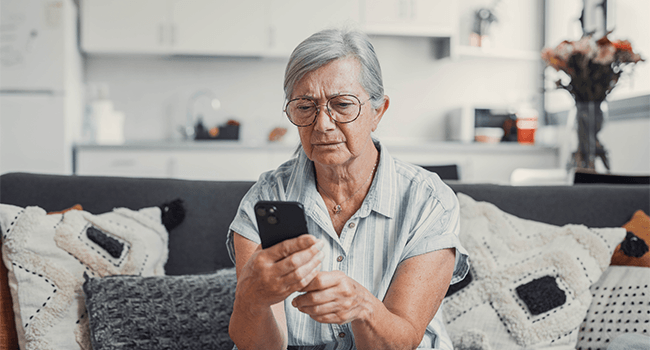
Seniors are usually less tech-savvy than the average person, making them more vulnerable to online scams. Fraudsters take advantage of this fact by designing cons that target the elderly.
Here are a few things you need to know to prevent scams on the elderly.
Why are seniors an attractive target for scammers?
Aside from lower internet and computer literacy, scammers target the elderly because they usually have more accumulated savings and can be more trusting due to social isolation. Scammers exploit vulnerabilities, such as loneliness, to gain their victims’ trust quickly and steal their money or important personal and financial information.
Common scam tactics targeting the elderly
If you’re a senior or want to help seniors avoid falling victim to scams, it’s important to know what to watch out for. Below are common tactics used by scammers most often:
Investment scams
Investment scams start with an advert or a cold call from someone claiming to be a financial advisor promoting an investment scheme that promises a big payout, quick money, or guaranteed return of investment with little to no risk involved.
In the age of generative artificial intelligence (GenAI), ads on social media can be mired with deep fakes of celebrities or other public figures promoting these fake investment schemes. This could make it harder for older folks to distinguish what is real and what is a scam.
Unexpected prize or lottery scams
This involves tricking the victim into thinking they’ve won a special prize or lottery that they have not entered. Usually, victims will receive an unsolicited email or SMS from the scammer asking them to pay a fee to claim their prize or winnings.
Phishing scams
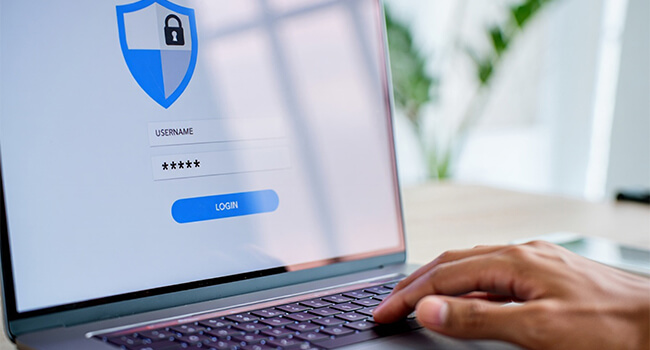
Phishing scams are one of the most common scams out there. When it comes to elderly Australians, they’ll likely receive an email or SMS claiming to be from a government agency or trusted financial institution or business. The message will ask them to log in to their accounts or enter their details via the link attached. What happens next is the victim is led to a fake website where scammers capture their information and use it to steal money from their accounts or for identity fraud.
Impersonation scams
Impersonation scams involve scammers pretending to be a representative or official from a government agency or organisation. They’ll intimidate the victim through emails, text messages, or calls using urgent or strong language to disclose personal information or send money.
Romance scams
In romance scams, cybercriminals will create an online identity and use that to build a close relationship with the victim for weeks, months, or even years. During this time, the scammer will ask for money or gifts; they may also use information gathered through online chats to steal their victim’s identity.
The usual targets for such scams are the recently widowed, divorced, or those who live far from any friends or family members, as they have little to no support.
Grandparent scams
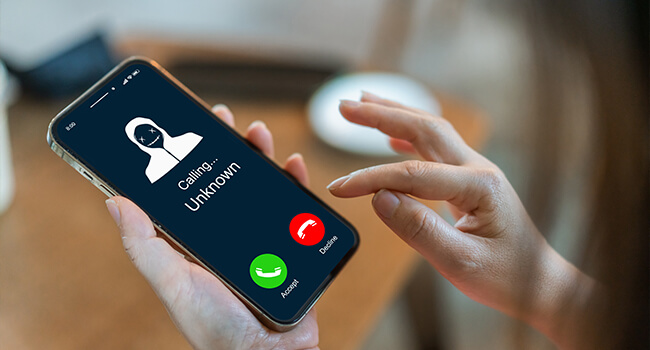
A scammer will call the victim and pretend to be their grandchild in crisis—usually in hospital, jail, or abroad—and needs money urgently. The call is designed to create panic and make victims act without a second thought.
Calls like these are becoming harder to spot due to voice cloning technology. If you or someone you know receives this kind of call, the best advice is to stay cautious, especially when it’s a call from an unrecognised number. To make sure the call is legitimate, contact the person directly using their most up-to-date contact information.
Remote access scams
With remote access scams, the scammer will impersonate someone from a government agency, financial institution, utility company, or technology company. The scammer will tell their victims their account has been compromised and to recover it, they need to download software that gives the scammer remote access to their computer and steal information or steal money.
How to prevent scams on the elderly
The best way to prevent scams on the elderly is by knowing the signs of a scam and always keeping calm. National Seniors Australia proposes a STOP, CHECK, and REJECT method:
- Stop. If you receive a suspicious call or message, especially one that urges you to act quickly, it’s best to pause and take a breath. Ask yourself if the caller or sender is from a legitimate agency or organisation. Genuine correspondence from a government agency or business will not use abrupt, urgent, or forceful language.
- Check. Make sure the caller or sender is who they say they are. Speak with someone you trust or contact the organisation directly.
- Reject. In times of uncertainty, it’s best to stop engaging with the caller or sender and cease communication. Ignore their calls, text messages, and emails. Report and block their number or account.
What do I do if my elderly parent is being scammed?
If your elderly parent or someone you know has been scammed, report it immediately to relevant agencies such as ScamWatch or your local government body. Contact IDCARE if personal details were compromised. If money was lost or credit cards compromised, contact the bank or credit provider immediately and cancel any unauthorised transactions.
About the article
As Australia's leading online lender, loans.com.au has been helping people into their dream homes and cars for more than 10 years. Our content is written and reviewed by experienced financial experts. The information we provide is general in nature and does not take into account your personal objectives or needs. If you'd like to chat to one of our lending specialists about a home or car loan, contact us on Live Chat or by calling 13 10 90.