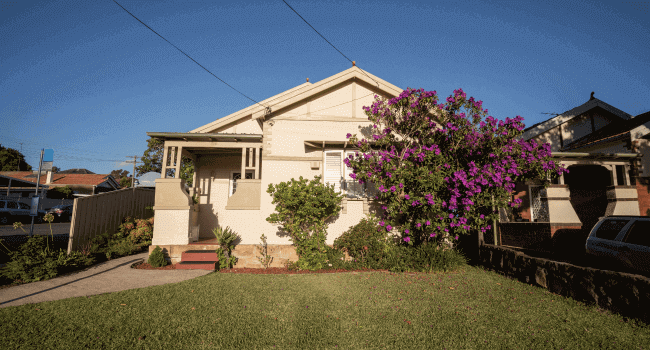

Owner-occupied vs investment loans

Most people know there are different types of home loans, with distinct terms and conditions such as variable interest rates.
The difference between owner-occupied residences and investment properties comes down to what you intend to do with them. If you’re buying a home to live in yourself, you’ll need an owner-occupier home loan, while an investment home loan is reserved for those purchasing an investment property.
When you're applying for home loans, you'll need to specify which home loan you’re applying for. Depending on the type of loan you’re taking out, you could choose loans with an offset sub-account, variable rates or fixed rates, or a construction home loan, amongst other options.
What is an owner-occupied home loan?
An owner-occupied home loan is a type of financing used by buyers who are purchasing a home for their primary residence. When people talk about home loans, this is usually what they’re referring to.
When you take out an owner-occupied home loan, you’ll likely need a deposit of at least 10% to 20% of the property’s sale price. Most lenders require a loan-to-value ratio (LVR) of 80%; however, lenders like loans.com.au allow for up to a 90% LVR. Take note, if you do get a loan with only a 10% deposit or 90% LVR, you’ll need to get lenders mortgage insurance.
Owner-occupied home loan rates vary depending on the lender, but they’re typically lower compared to investment home loans. There's a wider range of home loan features available for owner-occupied finance than for other types of home finance, as well.
Different types of owner-occupied home loans
Owner-occupied home loans do have different variations. Before applying for a loan, it’s best to understand the differences in loan products to find the one that suits your needs best:
- Fixed rate home loan – A home loan that has consistent rates throughout the loan term. The rate of the loan does not change during the life of the loan.
- Variable rate home loan – This is a home loan that has a changing interest rate. This means the rate on your home loan can rise or fall depending on several factors.
- Construction home loan – A loan used by those who want to build their property from the ground up instead of buying an already built home.
- Home loan refinance – This type of loan is for those who are replacing an existing home loan for new features. This could be with the same or different lender.
- Bridging home loan – A short-term loan for buyers who want to purchase a property while in the process of selling their current one.
What is an investment home loan?
An investment home loan is a type of financing that is used for buying an investment property. Borrowers may need to put forward a larger down payment for this type of loan. This means the maximum loan-to-value ratio (LVR) can be higher compared to an owner-occupied home loan.
Investment loans are typically more expensive than owner-occupier home loans, both in terms of interest rates and additional closing costs, such as the valuation fee. If you’re looking for loans with low closing and ongoing fees, check out loans.com.au’s range of finance options.
To save on investment home loan costs, look for lenders that don’t charge high closing fees and ongoing fees, such as loans.com.au.
Different types of investment home loans
At loans.com.au, you can get variable rate investment home loans with varying home loan features. You can also get investment property refinance. Other investment finance products include:
- SMSF investment home loan – This loan is used by an SMSF to purchase an investment property.
- Trust investment home loan – This loan is used by trusts to purchase an investment property.
- Expat investment home loan – This loan is designed for Australian citizens living overseas who want to buy investment properties in Australia.
How to apply for an owner-occupied home loan
You'll need to provide information about the value of the asset, your income and liabilities such as existing debt. Lenders will evaluate these details and other considerations, including credit history, for the amount you intend to borrow and the type of loan you're looking to obtain.
After you submit your application for a mortgage, the lender will contact you to discuss your eligibility, options and any other information you need to provide. For instance, you may be required to submit financial statements from the last few years, pay slips, tax documents, proof of sale of your property and documentation for your current assets and liabilities.
How to apply for an investment home loan
For investor home loans, the requirements can be a little stricter. You'll need to demonstrate that you have a certain amount of money set aside to manage the mortgage. If you already have an investment loan, the required value of the funds set aside might be higher than if it's your first home loan. This will typically be evaluated in terms of a certain number of months of mortgage repayments for each property.
The amount you'll likely receive in rental income can also be a consideration for investment loans, since you might be able to cover the cost of your mortgage repayments and other expenses with this income. That means the investment might not actually lower your debt-to-income ratio (the percentage of your monthly income that's put towards repaying your mortgage), which is one of the factors in the loan approval process.
Mortgage lenders often focus on the current market value of the property, as well as your rental income and serviceability. You may also want to review information about vacancy rates for the area or property, as well as trends in housing prices. These factors will come into play when you have your property valued and can affect your home loan.
Choosing the right home loan for your goals
It's important not to misrepresent your intentions for a property when applying for a home loan. Because of the differences in rates, it might be tempting to try to obtain an owner-occupier mortgage no matter what, but loan agents are trained to evaluate whether their borrowers are committing what’s sometimes referred to as ‘occupancy fraud’.
The differences in rates come down to the amount of risk that tends to accompany each type of home loan. With investment properties, there tends to be a greater chance of default, and therefore more exposure for the lender, among other factors.
There are better ways to ensure you're obtaining the best possible rates for your mortgage if you're purchasing an investment property. No matter what type of loan you require, the same tried-and-true tips apply: pay down your existing debts, improve your credit score, and show you can pay off a mortgage.
Assess the financial impact of different interest rates, terms and payment plans using a loan calculator so you can choose the option that best suits your economic situation and goals. Speak with a trusted loan advisor if you need assistance evaluating your choices.
Ready to apply for a home loan?
Get in touch with our friendly lending specialists by calling 13 10 90 or apply online today!
Disclaimer: The information provided in this article is general in nature and does not constitute financial or legal advice. Please seek independent professional advice tailored to your personal circumstances before making any financial decisions.
Find out in under 2 minutes if you qualify for one of our home loans.

About the article
As Australia's leading online lender, loans.com.au has been helping people into their dream homes and cars for more than 10 years. Our content is written and reviewed by experienced financial experts. The information we provide is general in nature and does not take into account your personal objectives or needs. If you'd like to chat to one of our lending specialists about a home or car loan, contact us on Live Chat or by calling 13 10 90.