
Buying a fixer upper home

How much does it cost to renovate a fixer-upper?
We’ve probably all seen home makeover shows where contractors transform a humble ‘fixer upper’ into someone’s dream home. But what exactly is a fixer upper and is it really that easy to renovate as the shows make it seem?
Let’s delve into the basics of fixer uppers to help you decide if it’s right for you.
What is a fixer upper home?
A ‘fixer upper’ home is a property that needs to be renovated through repairing, redecorating, or redesigning it. This type of property is typically discounted or has a relatively lower sale price compared to similar properties in the area because it has a handful of issues.
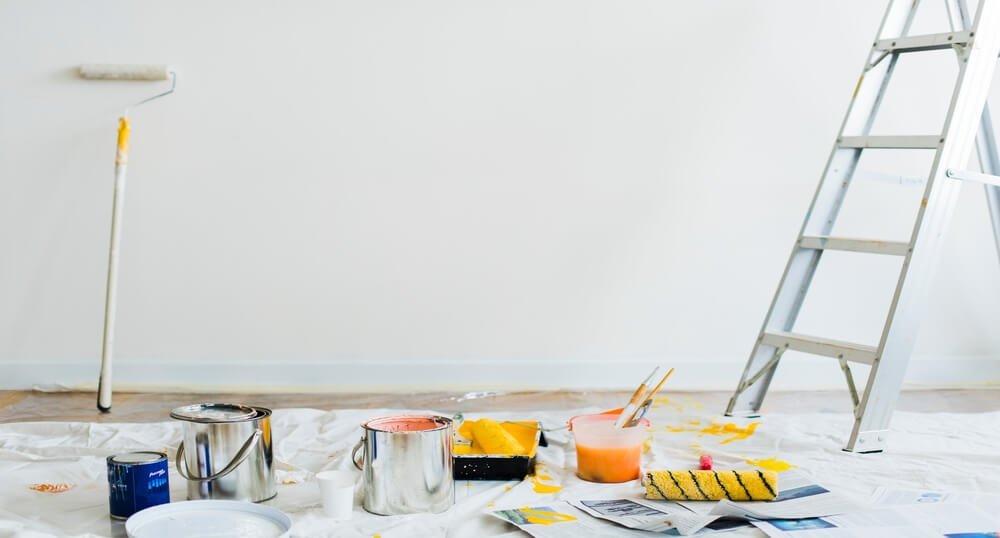
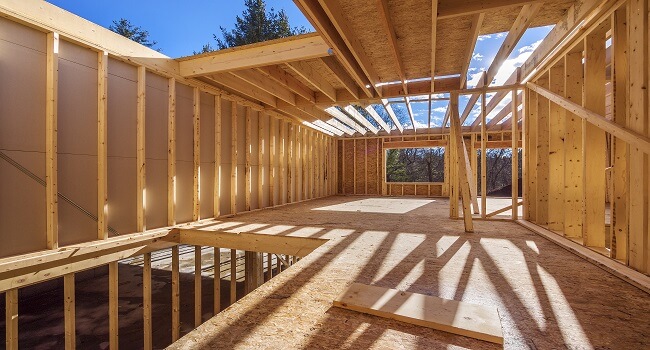
Some fixer upper homes may not need much and only have outdated interiors, fixtures, or decor which needs relatively small renovations to refurbish and modernise. However, there are fixer upper houses that require a total renovating that may include replacing plumbing or electrical systems, switching out major appliances and fixtures, and other serious repairs.
Should you buy a fixer upper as a first home?
Because fixer uppers are typically priced lower than the average house, it makes it affordable to a lot homebuyers. However, the renovation costs could quickly outweigh the savings if they’re more extensive than originally thought. There’s also the added work that comes with renovating a home that homebuyers need to take into serious consideration.
Before buying a fixer upper, it’s best to understand your financial position better and see if you can handle the added responsibility of renovating a property. Here are a few things you should consider when buying a fixer upper home:
- Extent of renovation needed – Some homes just need a bit of touching up, while others require a more significant change. Knowing what a property needs before buying it can help you make a more informed decision.
- Financial capacity – You could be saving thousands on the purchase price, but you need to figure out if you’re also able to afford the renovations needed. You may see substantial upfront savings only to spend more in the long run due to underestimating renovation costs.
- Liveability of the house – Renovations don’t have to happen all at the same time. If the home is liveable, you could reside in it while saving up for the needed renovations. However, some homes may need more urgent renovations, which could push back your move in date and add to your overall expenses.
How important is a building inspection when buying a fixer upper?
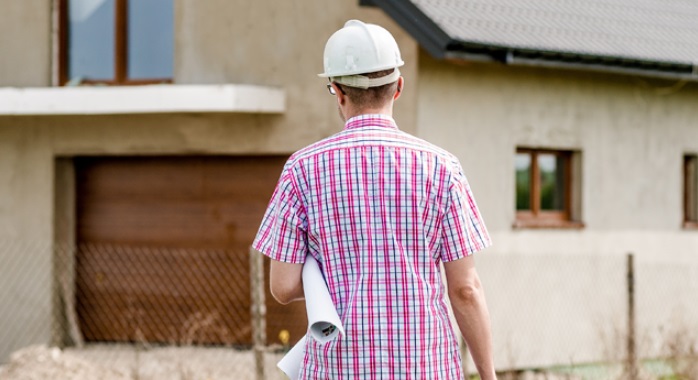
A building inspection in an absolute must when it comes to buying a home and helping to uncover any structural issues. Mould, wood rot, pest damage and illegal building can be difficult to recognise.
A licensed building inspector with full indemnity insurance should be able to assess the ground levels, paving, floors, walls and roof and discover if there is any building movement or water ingress. Bowed walls, cracks and floors that are not level are all signs there are serious structural problems with a property that will likely cost thousands of dollars to fix.
If that’s the case, and you are still interested in buying the property, this can give you huge negotiating power. Not many people would want to go ahead with purchasing a property requiring structural work, so it’s likely you could get a good price. But be warned.
Is buying a fixer upper worth it?
The answer to this is: it depends on your budget, timeline, and what you want out of your property. Many homebuyers may see a fixer upper as an opportunity to become a homeowner and customise their home. Meanwhile, it could be a huge undertaking for others because it poses financial risks and additional responsibilities.
Here are a few pros and cons to consider before buying a fixer upper home:
Pros of buying a fixer upper
- Lower property purchase price
- Opportunity for customisation
- Potential for improving property value with upgrades
Cons of buying a fixer upper
- Renovations could go over budget
- Time-consuming renovations
- Property may not be occupiable during renovations
- Potential for additional mortgage and rent costs
How to finance a fixer upper home purchase
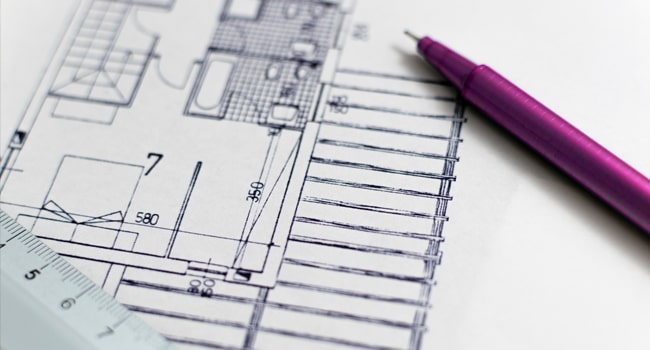
Another challenge for homebuyers is figuring out how to finance their renovations along with the property purchase. There is a special type of loan designed specifically for building or renovating a home. It is called a construction home loan, sometimes referred to as a renovation loan.
Construction loans differ from regular home loans because you are approved for the whole amount but then draw it down in stages instead of all at once, which helps ensure you only pay interest on the loan as it is drawn down.
Learn more about construction home loans and your finance options with loans.com.au. View our construction loans for more details or get in touch with our friendly lending specialists by calling 13 10 90. Or apply for a construction home loan online today!
Disclaimer: The information provided in this article is general in nature and does not constitute financial or legal advice. Please seek professional advice tailored to your circumstances before making any financial decisions.
Find out in under 2 minutes if you qualify for one of our home loans.

Other helpful resources:
What is progressive drawdown in construction loans?
Using your equity in land for a construction loan
What makes a green home?
About the article
As Australia's leading online lender, loans.com.au has been helping people into their dream homes and cars for more than 10 years. Our content is written and reviewed by experienced financial experts. The information we provide is general in nature and does not take into account your personal objectives or needs. If you'd like to chat to one of our lending specialists about a home or car loan, contact us on Live Chat or by calling 13 10 90.